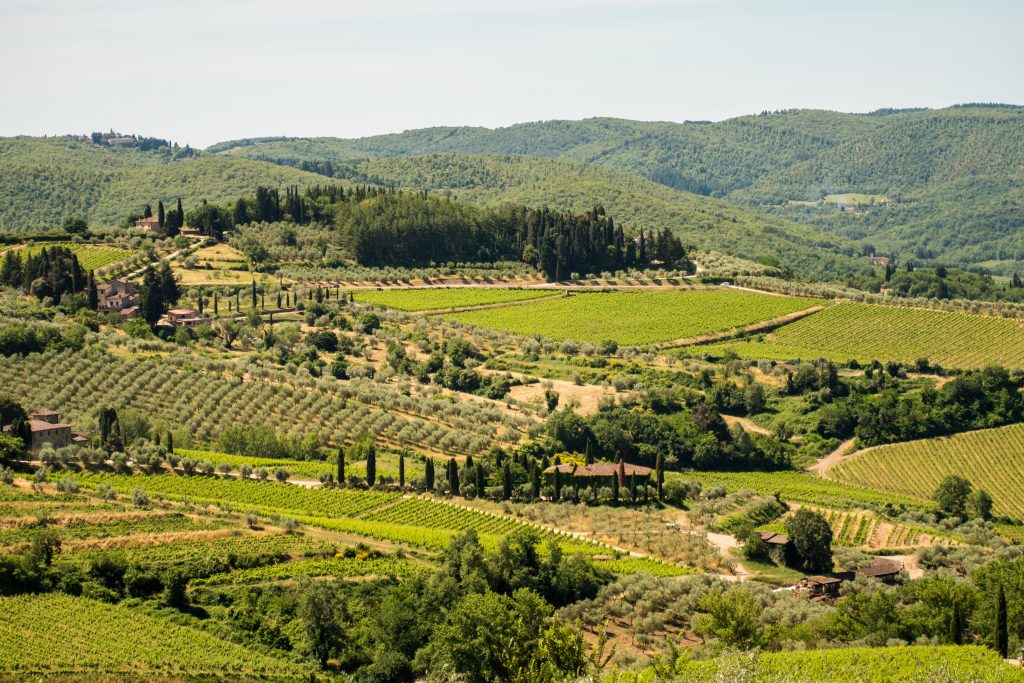
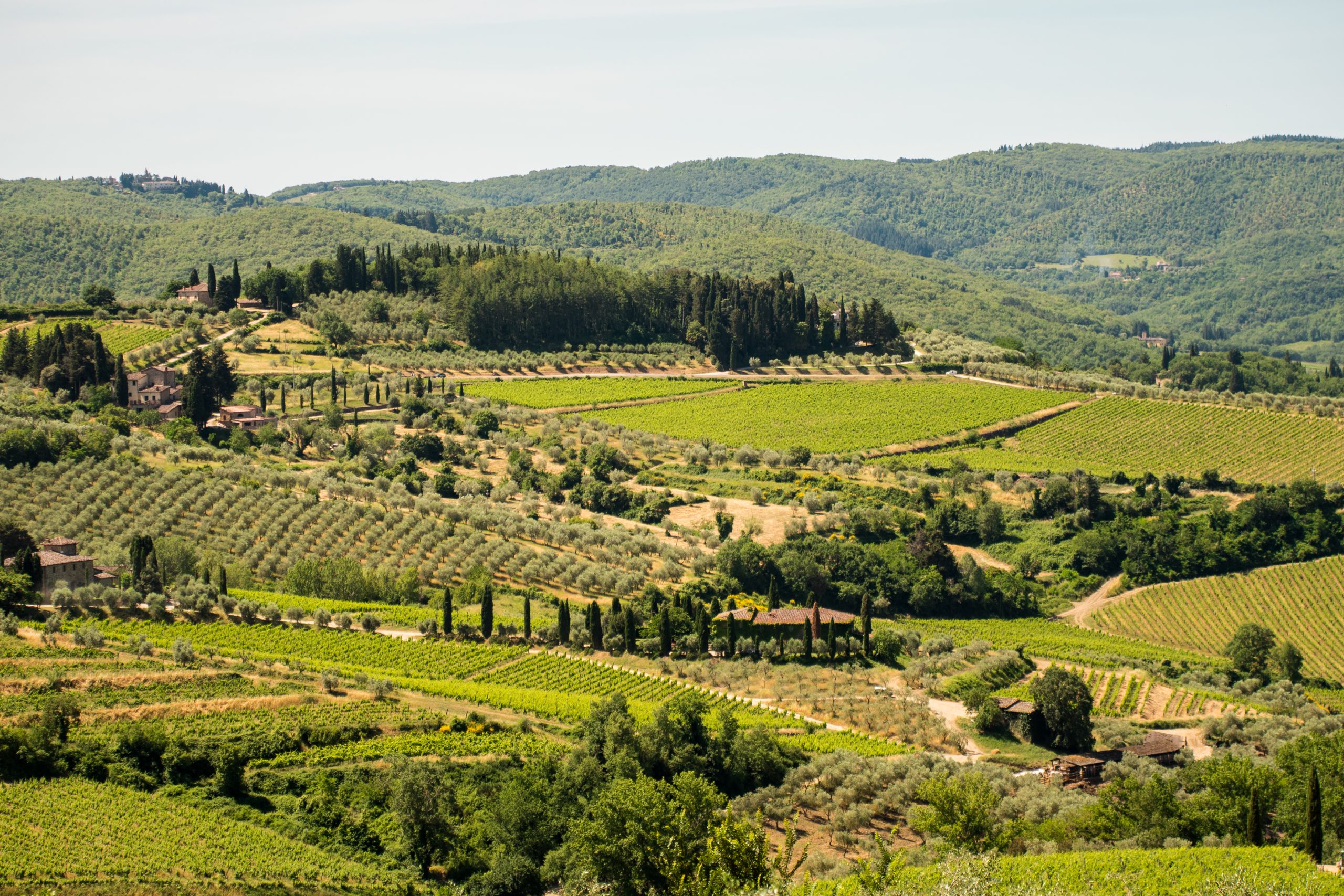
Planning a trip to Tuscany is often the beginning of something exciting. It’s a destination that naturally brings to mind beautiful landscapes, historic towns, and a slower pace of life.
At the same time, once you start organizing your trip, it’s easy to realize how many
options there are and how different each area can be. Understanding how to plan a trip to Tuscany in the right way can make a significant difference in the overall experience.
Tuscany isn’t a place you simply move through — it’s somewhere you experience
gradually. The way you structure your days, choose where to stay, and move
between places will shape the entire journey. Before getting into the details, here are a few essential things I always suggest keeping in mind when planning a trip to Tuscany
When thinking about how to plan a trip to Tuscany, the time of year plays an important role in shaping your overall experience.
If you’re looking for a balanced and relaxed trip, the best time to visit Tuscany is usually late spring and early autumn. Late April, May, September and early October offer pleasant weather, beautiful landscapes, and a more authentic atmosphere without the peak-season crowds.
Summer is still a popular choice, especially for first-time visitors, but it comes with a different pace. It’s hotter, busier, and requires a bit more attention when planning your days.
August, in particular, is a month to keep in mind, as many locals are on holiday and some smaller businesses may close for a few weeks.
From my experience, the overall feeling of the trip changes a lot depending on when you visit. If you’re looking for a slower and more relaxed atmosphere, the mid-season months are often the best choice.
One of the most common questions when planning a trip to Tuscany is how to get around, and the answer really depends on the kind of experience you’re looking for.
In most cases, I suggest having a car, especially if you want to explore the
countryside, smaller villages, and areas that are not easily connected by public
transport. It gives you much more flexibility and allows you to move at your own
pace, without being tied to schedules.
If you decide to rent a car, it’s usually easy to arrange it from the main arrival points,
such as Florence or Pisa airports, or from central locations like Santa Maria Novellatrain station in Florence. Many travelers also choose to rent a car directly from major
airports outside the region, such as Bologna, Milan or Rome, depending on their itinerary.
That said, not every trip needs to be planned this way. If you prefer to stay in a
well-connected town or focus on a specific area, it’s absolutely possible to organize your trip using trains and local transport. Services like Trenitalia connect the main cities, while regional buses operated by Autolinee Toscane can help reach smaller
towns.
For a more comfortable and personalized option, especially if you prefer not to drive, private transfers with a driver (“NCC” – private chauffeur service) can also be a very good solution, particularly for longer distances or day trips.
What many travelers underestimate is how long it actually takes to move between
places. Distances may look short on the map, but travel times can be slower than
expected, especially in rural areas.
From my experience, the best approach is not to try to cover too much, but to choose a few areas and explore them properly, in a way that feels natural and enjoyable.
Choosing where to stay is one of the most important parts of planning a trip to
Tuscany, and it’s often where many travelers feel unsure at the beginning.
The region offers a wide variety of options, from well-known cities like Florence, Pisa,
Siena and Lucca to smaller towns and countryside locations surrounded by vineyards
and rolling hills. Each area has its own character, and the right choice really depends
on the kind of experience you’re looking for.
One of the first things to understand is whether it’s your first time in the region or if
you’ve already visited before. This makes a big difference in how I usually approach
the itinerary.
When I design an itinerary, I like to combine the main highlights with smaller, lesser-known places that are not typically mentioned in international guides, creating a more personal and authentic experience.
If it’s your first time visiting Tuscany, it’s worth finding the right balance. Staying in a major city can be more convenient, especially if you’re not planning to drive, while spending time in the countryside allows you to experience a quieter and more traditional side of the region. Rather than moving too frequently, I usually suggest choosing a few well-considered locations and exploring from there, allowing the trip to feel more natural and enjoyable.
When putting together an itinerary for Tuscany, it’s natural to want to include as
much as possible. However, leaving space to actually enjoy each place often makes a
big difference.
Getting around the region takes time, especially if you want to explore beyond the
main cities. Roads through the countryside, unexpected stops, or even taking the time for a relaxed lunch in a local trattoria are all part of the experience, and often become some of the most memorable moments of the trip.
What I usually suggest instead is focusing on a few well-chosen experiences that allow you to connect more deeply with the region. This could be a wine tasting in a beautiful winery in Montalcino, a truffle hunting experience in the countryside around San Miniato, or even a ceramics or painting class in a town like Siena.
These are often the moments that give a trip its real character, and what people tend to remember the most.